
Employment for seafarers in international shipping
Learn how employment for seafarers is organized through structured recruitment, matching, and deployment support.
Employment for seafarers based on clear values
- Our service for seafarers is based on transparency, clear coordination, and reliable communication throughout the recruitment and assignment process.
- We provide realistic information about positions, vessel requirements, and onboard expectations so seafarers can make informed decisions.
- Our process focuses on matching experienced seafarers with suitable assignments based on shipowner needs and crew planning.
- We support seafarers before, during, and after embarkation through structured coordination and direct contact.
- Our focus is on professional cooperation, clear processes, and long-term working relationships within international maritime operations.

Supporting seafarers throughout assignments
We support seafarers through clear recruitment coordination, realistic onboard assignments, and reliable communication throughout preparation, deployment, and cooperation with shipowners.
Employment key features
Clear recruitment processes, vessel matching, and responsible coordination support seafarers throughout each assignment.


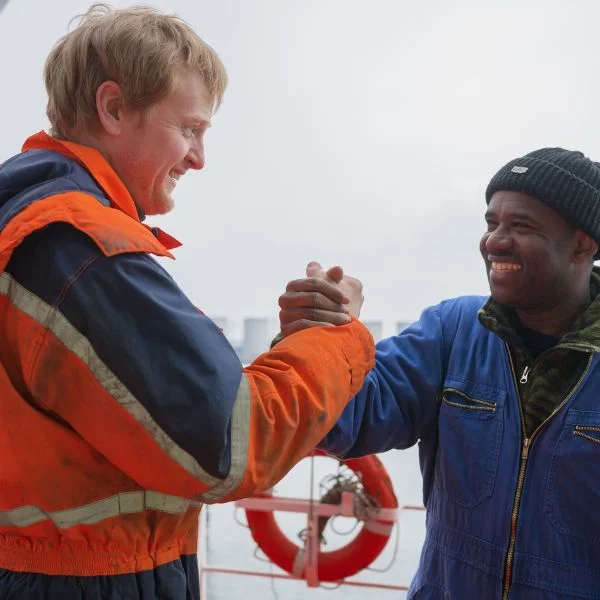
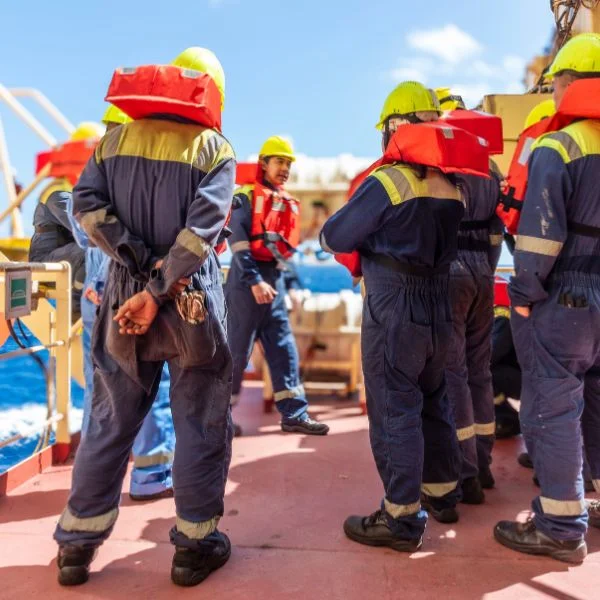
Getting started in three simple steps
Applying for employment as a seafarer follows a clear and structured process. To ensure the right match between seafarers and onboard work, we review your qualifications, experience, and documentation carefully. Our team coordinates each step from application to assignment communication, helping ensure transparency, realistic expectations, and efficient recruitment across international maritime operations.
Rely on our experience: We connect experienced seafarers with suitable vessel assignments and coordinate each step of the process.
Structured Recruitment and Assignment Coordination at Sea
Working with Lighthaus Marine means entering a structured recruitment and assignment process within international maritime operations, connecting qualified seafarers with suitable vessel roles.
- Assignments with shipowners operating across global trades.
- Matching between seafarers, vessels, and shipowner needs.
- Coordination before embarkation and onboard communication.
Our role is to connect qualified seafarers with shipowners and support recruitment, matching, and assignment preparation, helping ensure realistic expectations and clear coordination.

Our Clients
Our Offices
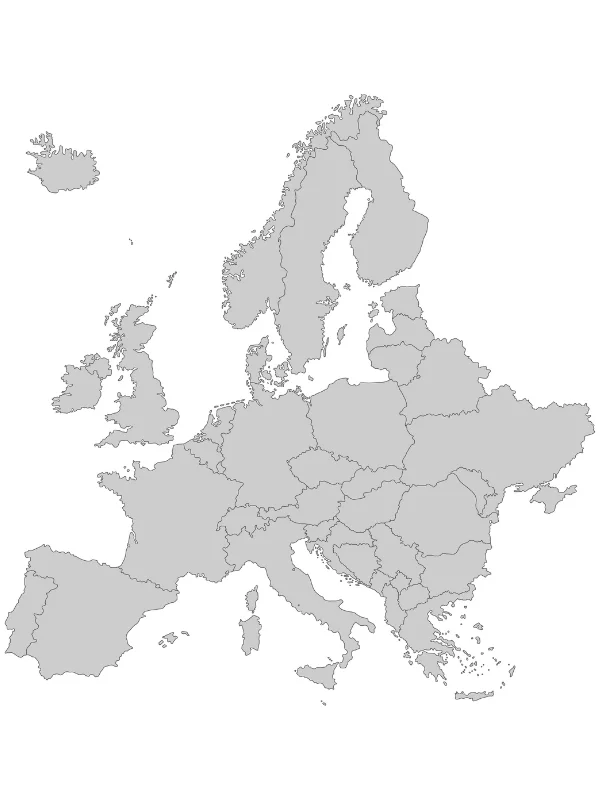
Hamburg, Germany
Rijeka, Croatia
Gdansk, Poland
Germany
Netherlands
Monaco
Denmark
United Kingdom
Poland
Croatia
Italy
France
Find Your Next Assignment at Sea

Start Your Seafaring Application
Submit your CV, work experience, and STCW documents to be considered for suitable vessel assignments. We coordinate recruitment, matching, and communication with shipowners for upcoming opportunities.
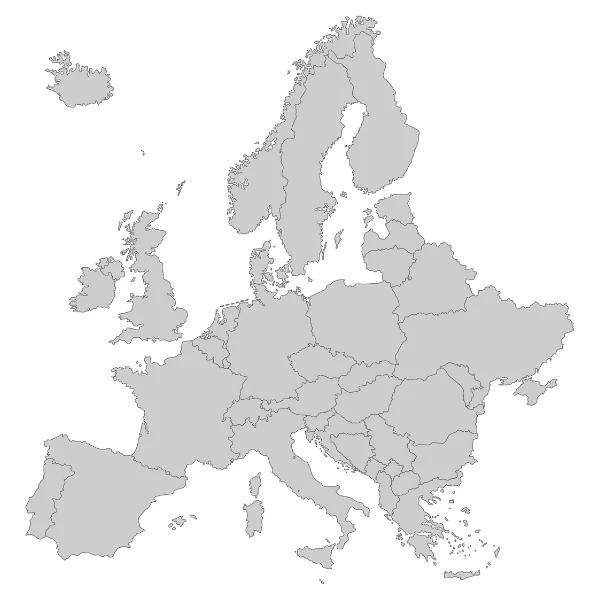
Hamburg, Germany
Rijeka, Croatia
Gdansk, Poland
Lighthaus-Marine Europe GmbH
Lighthaus-Marine GmbH & Co. KG
„Montanhof“, 4. OG
Kattrepel 2
20095 Hamburg
Lighthaus-Marine D.O.O
Marina Držića 9
51000 Rijeka (Croatia)
- +385 (0) 51 89 81 30
- +385 (0) 51 89 81 35
Lighthaus-Marine Europe GmbH Branch Office Poland SP. z o.o.
Trzy Lipy 4/3
80-172 Gdansk
Poland
What does employment with Lighthaus Marine involve?
Working with Lighthaus Marine means participating in a structured recruitment and assignment process connected to international maritime activity. Lighthaus Marine connects seafarers with shipowners and supports coordination during recruitment, preparation, and embarkation planning.
Professional experience, certificates, and STCW documentation are reviewed and aligned with the practical needs defined by shipowners. Once a suitable role is identified, preparation continues with communication about the assignment, documentation, travel planning, and onboarding expectations. Assignments may take place on ships engaged in different trades and maritime sectors. Coordination helps seafarers prepare for embarkation, their onboard role and daily tasks, and receive relevant information before joining the crew.
Labour regulations and maritime conventions form an important foundation for seafarer assignments. These frameworks help protect working conditions, safety, and fair cooperation at sea. Knowledge of labour rules also supports clear agreements regarding contracts, duties, and working arrangements.
Long-term professional cooperation is an important part of this approach. Many seafarers work with the same maritime partners over several years, gaining experience across different ships, trades, and technical environments. This continuity creates stability for crews and practical benefits for shipowners while allowing seafarers to build experience and strengthen their professional profile over time.
How does the employment process for seafarers work?
The process begins when you send your CV, work history, and STCW documents by email or submit them using our application database. This information allows us to review your background and current availability in order to identify suitable assignments with maritime partners. After reviewing your profile, we may present a suitable role if an open position matches your experience. If no immediate opportunity is available, our team may contact you to discuss your preferences, contract timing, and future availability.
During the preparation phase, documents are checked and practical arrangements are coordinated before embarkation. Clear communication continues while you are at sea and during leave periods so you remain informed and supported during each assignment. If schedules change or new opportunities appear, our team coordinates the next steps directly with you. The aim is to keep the process transparent and practical, allowing you to focus on your work at sea while recruitment and assignment coordination are handled efficiently.
Which vessel types and trades are supported?
Lighthaus Marine places seafarers across a wide range of ship types and maritime trades. Assignments may involve cargo ships engaged in international trade as well as other marine and shipping activities.
Opportunities are available across different onboard departments such as deck and engine. Positions may range from ratings and junior officers to technical personnel such as engineers. Depending on experience, senior roles such as chief officer positions may also be considered. Crew and personnel are placed according to the needs of shipowners and the type of work carried out on board. This helps create practical cooperation among crew members and supports efficient daily routines at sea.
Many assignments take place in established shipmanagement environments where roles and responsibilities are clearly organized. Personnel work as part of professional crews that follow structured working practices, allowing teams to work safely and reliably across different maritime trades and international routes.
Are short-term and long-term assignments available?
Yes. Assignment length may vary depending on the ship, trade, and planning of the maritime partner. Some roles are arranged for a defined contract period of several months, while others allow longer cooperation with regular rotations and time off between assignments.
Contract terms normally describe the assignment duration, wages, working hours, and general conditions. These arrangements clarify the roles of the shipowner and employer while helping seafarers understand the expectations connected to each role. Short engagements are often used to support temporary crewing needs, while longer assignments help maintain stable crew planning over extended periods. Flexible rotations allow employees to balance time at sea with time off while gaining experience across different maritime activities.
Clear planning also helps reduce unnecessary additional costs related to travel, coordination, and crew changes. This practical approach supports reliable crewing arrangements and predictable working schedules for seafarers.
What support is provided around embarkation?
Support is provided before, during, and after embarkation to help seafarers prepare for their assignment and remain informed during their time at sea. As part of employment for seafarers coordinated by Lighthaus Marine, preparation focuses on clear communication, practical planning, and reliable assistance before joining a ship.
Before departure, coordination may involve documents, travel planning, contract information, and other steps required for embarkation. Guidance may also cover certificates, medical checks, and insurance matters connected to the assignment. This preparation supports prevention of delays and helps seafarers understand their role before joining the crew.
During the contract period, a direct contact person remains available if questions arise or additional assistance is needed. Communication may also continue during leave periods so seafarers stay informed about possible future assignments. After completion of a contract, support may continue with feedback discussions, document questions, or preparation for the next opportunity. This approach helps maintain reliable cooperation and smooth transitions from one assignment to the next while supporting practical prevention and clear coordination.
How is international work at sea legally organized?
Work at sea is arranged according to clearly defined legal rules used across the maritime sector. These rules are based on national law, flag state regulations, and internationally recognized conventions that apply to seafarer activity across the global maritime industry. Maritime labour regulations and the Maritime Labour Convention (MLC) play an important role in this legal environment. They establish fundamental conditions related to working hours, wages, safety, and general protection at sea. Compliance with these rules supports fair treatment of seafarers and contributes to responsible practices across the maritime industry.
Depending on the assignment, contract arrangements may follow the legal system of the flag state or the country of the employer. Lighthaus Marine acts as a licensed crewing and recruitment partner, coordinating documentation and communication connected to these arrangements and helping seafarers understand the relevant legal context.
These legal frameworks also support occupational protection for crew members working at sea. Occupational aspects such as working conditions, rest periods, and welfare protections are addressed by international maritime agreements that apply across many regions of the shipping industry. Clear compliance with these legal rules contributes to transparency for shipowners, crewing partners, and seafarers. It also supports responsible maritime cooperation and helps create a predictable environment for professional activity at sea across different trades and shipping sectors.
How do you support long-term cooperation at sea?
Lighthaus Marine focuses on building stable professional relationships with seafarers over time. Instead of viewing each assignment as an isolated placement, the aim is to support repeat assignments when experience, availability, and shipowner needs align.
Over several years, many seafarers return to similar maritime partners or ship types. This continuity helps them gain deeper practical experience and gradually become familiar with crew routines and life on board. For shipowners, recurring cooperation with the same crew members supports reliability and smoother crew integration.
Experience gained from previous assignments also helps identify suitable future roles. Over time, seafarers may become trusted crew members for specific trades or ship types. By maintaining communication with seafarers and maritime partners, Lighthaus Marine can coordinate opportunities that fit existing experience and career direction. This approach supports gradual professional growth and allows seafarers to become more experienced and confident in their role at sea. Repeat assignments, consistent coordination, and long-term cooperation create a stable basis for maritime careers and reliable collaboration with shipowners.
Which onboard professions are available?
Lighthaus Marine connects seafarers with a wide range of onboard roles across deck and engine departments. Opportunities depend on experience, certificates, and the type of ship or trade involved.
On the deck side, roles range from ratings and junior officers to senior positions such as chief officer. In the engine department, technical roles such as engineers support machinery, technical systems, and daily ship activity. Assignments may also relate to cargo handling, watchkeeping, maintenance, and daily onboard duties. The exact role depends on the trade of the ship, the crew structure, and the experience of each seafarer.
Before embarkation, documents such as certificates, training records, and medical papers are reviewed as part of the preparation process. In many cases, seafarers must present valid certificates and training course records before joining the crew. This preparation helps identify suitable onboard roles and supports clear coordination before embarkation.
Who can benefit from these recruitment services?
These services are suitable for crew members who are looking for structured recruitment, realistic assignments, and clear coordination when joining international maritime activities. This may apply to people entering the maritime sector for the first time as well as experienced crew members seeking further professional development at sea.
The first step is to register a professional profile and provide key details about experience, certificates, and training background. Candidates must submit accurate information so maritime partners and shipping companies can review profiles and identify suitable roles based on current crew needs. Assignments may relate to different ship types, trades, and crew structures depending on the maritime companies involved. Matching profiles with suitable roles helps maintain clear coordination and practical preparation before embarkation.
For many crew members, this process also supports long-term development in international shipping. In each case, contractual terms are described in the relevant section of the employment agreement, which outlines working conditions, wages, and general arrangements in line with maritime industry standards. Some assignments may also be connected to specific maritime programmes used by shipping companies to organize crew rotations and staffing. This structured approach helps candidates plan future steps in their maritime career while maintaining transparent cooperation with industry partners.