
Maritime jobs for global vessel operations
Discover maritime jobs for officers, engineers, offshore crews, and onboard specialists in international shipping operations.
Structured maritime jobs for real operations
Maritime jobs at Lighthaus-Marine are built around real vessel operations, verified qualifications, and long-term maritime career opportunities. We support shipowners, ship managers, offshore operators, and maritime service providers by connecting them with experienced seafarers and technical specialists for international shipping projects. Our focus covers a broad range of maritime jobs, including deck officers, marine engineers, electro-technical officers, motormen, offshore technicians, cooks, stewards, and other onboard professionals. Assignments range from container and cargo vessels to oil and chemical tankers, offshore support vessels, and specialized maritime operations.
What makes our approach different is the structured way maritime professionals are evaluated and managed. Our internal crew-management platform enables detailed tracking of sea service history, vessel experience, STCW certificates, availability status, and operational qualifications. This allows shipowners to access verified profiles quickly while helping seafarers present their experience in a professional and transparent format.
With more than 45 years of maritime industry experience, international offices, and certified recruitment structures, Lighthaus-Marine combines maritime HR expertise with operational understanding. We support reliable crew planning, efficient recruitment coordination, and transparent communication — helping both seafarers and shipping companies navigate international maritime operations with confidence.
Facts behind our maritime jobs
Years of maritime industry experience worldwide
Maritime job categories across vessel operations
International crew profiles actively managed
Availability and personal maritime coordination
Explore our maritime jobs

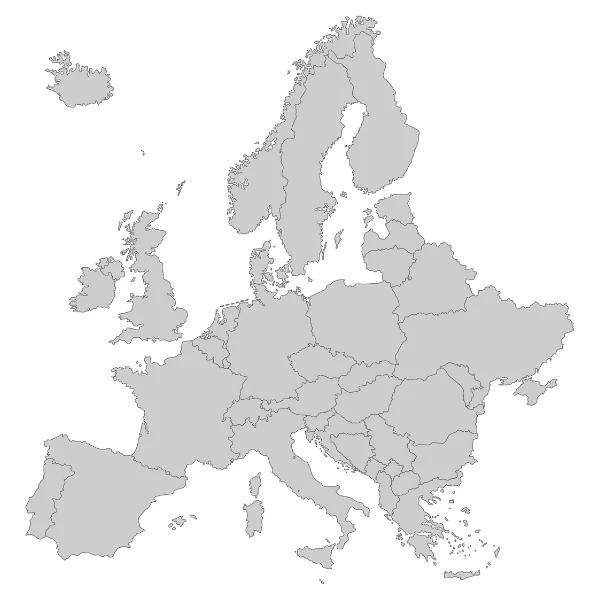
Hamburg, Germany
Rijeka, Croatia
Gdansk, Poland
Lighthaus-Marine Europe GmbH
Lighthaus-Marine GmbH & Co. KG
„Montanhof“, 4. OG
Kattrepel 2
20095 Hamburg
Lighthaus-Marine D.O.O
Marina Držića 9
51000 Rijeka (Croatia)
- +385 (0) 51 89 81 30
- +385 (0) 51 89 81 35
Lighthaus-Marine Europe GmbH Branch Office Poland SP. z o.o.
Trzy Lipy 4/3
80-172 Gdansk
Poland
What maritime jobs does Lighthaus Marine offer?
Lighthaus-Marine supports international crewing and recruitment for a wide range of positions at sea and in ship-related environments. Our focus lies on connecting qualified seafarers with shipowners and fleet managers searching for reliable crew members for long-term and project-related assignments.
The positions we recruit for include:
Deck Department
- Chief Officer
- Navigation crew
- Able Seaman (AB)
- Bridge support crew
These roles support navigation, cargo handling, safety routines, and daily onboard procedures aboard commercial fleets.
Engine Department
- Marine engineers
- Electro-Technical Officers (ETO)
- Motormen and oilers
- Engine-room crew
Candidates in this area help maintain machinery systems, propulsion equipment, and onboard reliability at sea.
Specialized Assignments
We additionally recruit for:
- Energy-related maritime projects
- Support fleets
- Passenger and cruise environments
- Yacht-related assignments
- Ship repair and shipbuilding environments
Depending on the assignment, some positions may also involve hospitality functions, onboard service coordination, or support activities connected to international crew deployment.
Shore-Based Roles
Certain assignments are linked to:
- Crew coordination
- Maritime administration
- Port-related support functions
- Vessel planning and documentation
To ensure reliable matching, applicants are evaluated according to:
- sea service duration
- STCW documentation
- previous vessel experience
- onboard responsibilities
- availability status
Instead of relying wholly on resumes, our systems organize certifications, onboarding records, assignment history, and insurance-related documentation in a structured database. This creates greater transparency for both shipowners and seafarers while supporting more reliable recruitment decisions. As a specialized maritime agency, Lighthaus-Marine also evaluates operational background, previous fleet exposure, and training standards linked to international maritime regulations and union-related frameworks.
For applicants looking for long-term career development, Lighthaus-Marine provides access to international assignments aligned with real fleet requirements, including projects connected to the energy sector and specialized vessel environments. Many candidates additionally combine onboard experience with education from a maritime academy, helping strengthen qualification standards for international shipping activities. For shipowners, our structured recruitment approach supports reliable crew selection for modern shipping environments worldwide.
Which vessel types do you recruit for?
Lighthaus-Marine recruits for a wide variety of vessel categories operating across international shipping routes, offshore environments, and technically specialized maritime sectors. Vessel-specific recruitment is a central part of our operational approach because every fleet segment requires different qualifications, onboard experience, and safety standards.
One important focus area involves oil and chemical tankers. Tanker recruitment requires careful evaluation of engineering competence, vessel-specific experience, and familiarity with demanding onboard environments. Candidates working aboard these vessels often require advanced technical certifications, documented tanker experience, and updated STCW training records.
In addition to tanker fleets, we support recruitment for container vessels, cargo ships, and merchant shipping operations involved in international trade. These vessels require officers, engineers, ratings, and onboard support crew capable of operating in structured commercial environments with strict procedural standards.
Specialized vessel environments
Our recruitment activities also extend into offshore and specialized maritime operations. Offshore support vessels, project vessels, and energy-related maritime units require technical professionals with operational flexibility and experience in challenging environments at sea. Depending on project scope, vessel operations may involve project-based assignments, maintenance-related vessel assignments, or support functions connected to offshore infrastructure.
Certain assignments additionally involve yacht environments or passenger-related vessel operations where service standards, communication, and onboard coordination play an important role. While operational requirements differ significantly between vessel categories, all recruitment activities follow the same structured evaluation principles.
Sea service history, previous employers, technical exposure, and operational experience are carefully reviewed before candidates are presented to a shipping company or maritime operator. This ensures that vessel-specific expectations are aligned with real onboard experience. Through this structured recruitment process, shipowners gain reliable access to operationally suitable candidates, while seafarers receive clearer visibility regarding the vessel environments that best match their qualifications, operational background, and long-term maritime career goals.
Which offshore jobs are available at sea?
Offshore maritime jobs represent one of the most technically demanding segments of the maritime industry. At Lighthaus-Marine, offshore recruitment focuses on practical readiness, safety awareness, and technical suitability for specialized maritime projects connected to offshore infrastructure and energy-related activities.
Typical offshore jobs include Electro-Technical Officers (ETOs), offshore technicians, marine engineers, motormen, and technical support personnel working aboard offshore support vessels or project-based maritime units. These assignments may involve maintenance-focused offshore projects, technical monitoring, electrical systems supervision, or operational assistance linked to offshore construction and support activities.
Compared to conventional cargo shipping, offshore environments often require a higher level of operational adaptability. Personnel may work in changing weather conditions, technically complex systems, or project-based assignments connected to project timelines. Because of this, offshore recruitment requires detailed evaluation of certifications, sea service records, and previous technical exposure.
Offshore qualifications and safety standards
Candidates applying for offshore maritime jobs are generally expected to provide valid STCW documentation, offshore-related safety training, medical certificates, and operational records demonstrating technical experience at sea. Certain offshore environments may additionally require specialized project qualifications or safety instruction connected to offshore operations.
Within our recruitment structures, applicants are reviewed according to vessel exposure, onboard duration, technical systems knowledge, and previous project assignments. This structured review helps identify candidates capable of adapting to technically demanding offshore environments while supporting safe and efficient maritime operations.
For maritime professionals, offshore work can represent a significant opportunity for professional growth and specialized long-term assignments. Many offshore projects involve advanced technical systems, international cooperation, and long-term operational planning. At the same time, offshore recruitment provides shipowners and operators with more effective access to specialized personnel without creating unnecessary administrative complexity. This structured offshore recruitment approach helps connect technically experienced seafarers with demanding offshore vessel environments worldwide.
What qualifications are required onboard?
Qualifications for maritime jobs vary depending on vessel category, onboard responsibility, technical complexity, and international regulatory standards. At Lighthaus-Marine, qualification review forms a central part of the recruitment and candidate evaluation process because safe vessel performance and onboard reliability depend directly on verified maritime competence.
For deck officers, engineers, and technical personnel, valid Certificates of Competency remain essential. These documents confirm that maritime professionals are authorized to perform professional duties aboard commercial vessels according to international maritime regulations and flag-state requirements. Whether candidates apply for offshore projects, tanker fleets, or technical vacancies, qualifications must always align with vessel-specific expectations. Beyond competency certificates, mandatory STCW safety qualifications are required for most onboard assignments. These may include:
- STCW Basic Training
- Advanced Fire Fighting
- Medical First Aid
- Security Awareness
- Proficiency in Survival Craft and Rescue Boats
Within our internal systems, qualification records are organized in a structured digital register that supports transparent verification of certifications, sea service history, and assignment readiness. Depending on vessel type and assignment scope, additional administrative and medical documentation, medical status, or offshore safety requirements may also be reviewed before recruitment progresses further.
Technical competence and sea service evaluation
Sea service history also plays an important role during evaluation. Practical experience aboard tankers, cargo vessels, offshore units, or passenger operations demonstrates practical onboard familiarity that cannot be measured only through formal documentation. Technical positions in particular require verified practical engine-room experience with machinery systems, engine-room procedures, and safety routines.
Certain maritime jobs may additionally require qualifications linked to maritime academies, technical institute programs, or university-level engineering education. Senior officers and technical specialists often combine formal maritime education with many years of onboard seagoing experience. For applicants, this structured qualification review creates transparency and clearer expectations before recruitment progresses further. For shipowners, it helps ensure that candidates entering vessel operations are professionally prepared, suited to the vessel environment, and capable of supporting safe and efficient maritime activities at sea.
Which STCW certificates are mandatory?
STCW certificates form the safety foundation and compliant maritime employment worldwide. At Lighthaus-Marine, certificate verification is treated as a core part of recruitment because onboard safety, reliable vessel performance, and regulatory compliance depend directly on valid maritime qualifications. Our maritime documentation systems support that several STCW certificates are regularly required before seafarers can join vessel assignments. These commonly include:
- STCW Basic Training
- Advanced Fire Fighting
- Medical First Aid
- Security Awareness
- Proficiency in Survival Craft and Rescue Boats
- Designated Security Duties
These certificates confirm that crew members understand emergency procedures, survival protocols, onboard safety responsibilities, and professional conduct onboard during critical situations at sea.
Maritime certificate validation and safety standards
Depending on vessel category and onboard role, additional endorsements or technical certifications may also apply. Engineering officers, for example, often require competency documentation linked to engine power classifications and machinery responsibilities. Offshore assignments may additionally involve specialized offshore safety qualifications.
Our internal management systems organize and track:
- certificate validity
- expiry dates
- document archives
- sea service records
- flag-state-related documentation
- medical certifications
- administrative compliance documentation
This structured monitoring supports reliable vessel deployment while reducing the risk of deployment delays caused by expired or incomplete documents. Once a candidate is appointed for a specific vacancy, all operational and certification records can be reviewed efficiently before joining the vessel. This improves administrative efficiency and helps avoid interruptions linked to missing documentation, medical clearances, or, where required, insurance-related documentation onboard.
For maritime professionals, maintaining valid STCW documentation is essential for long-term career success. It improves employability, supports flexibility between vessel categories, and enables participation in international maritime projects. It also allows candidates to respond faster when new assignments are announced or when shipowners announce urgent crewing requirements for technical positions at sea.
For shipowners and maritime operators, structured certificate verification ensures that onboard personnel meet internationally recognized training standards before joining vessel activities. By combining digital verification structures with maritime experience, Lighthaus-Marine supports transparent and reliable STCW management for both seafarers and shipping companies operating in international maritime environments. This also enables faster communication between crew coordination contacts, recruitment teams, and vessel management before crew members arrive on board.
How is sea service experience evaluated?
Sea service evaluation at Lighthaus-Marine is designed to reflect the practical reality of modern shipping rather than relying solely on standard resumes or simplified application forms. Maritime experience is reviewed in a structured and measurable way to determine how closely a candidate matches specific vessel environments and vessel-specific expectations. Within our systems, sea service records are organized according to vessel type, onboard duration, rank progression, technical exposure, and previous employer history. This creates a clearer experience profile than general maritime applications alone and supports more transparent onboarding preparation before crew members join a vessel.
Our structured experience evaluation system helps categorize how vessel-specific experience can be categorized and reviewed visually. Instead of evaluating applicants only according to job titles, onboard history is linked directly to practical onboard exposure. A candidate with several months aboard oil and chemical tankers, for example, may be assessed differently than someone whose experience comes primarily from passenger or offshore vessels.
Our maritime experts additionally review continuity of sea service, certification history, and vessel familiarity to better understand how candidates adapt to different working environments at sea. Depending on vessel category and flag-state regulations, certain working standards onboard may also vary between different maritime states or shipping regions. In some working environments at sea, union-related frameworks and onboard regulations may further influence qualification expectations and assignment structures. Additional factors considered during evaluation include:
- sea service duration
- vessel category exposure
- onboard responsibilities
- technical systems familiarity
- contract continuity
- previous shipping company assignments
- certification validity
All records remain updated within the internal recruitment structures to support faster and more transparent recruitment decisions. This structured approach supports both shipowners and seafarers. Maritime companies gain access to candidates whose sea-going background aligns more precisely with vessel expectations, while applicants receive a more transparent assessment of where their experience is most valuable.
For many maritime professionals, sea service evaluation also becomes part of long-term professional development. Career progression from junior to senior positions depends heavily on practical onboard experience, documented vessel history, and technical familiarity gained onboard. By combining experience analysis, digital documentation, and structured evaluation methods, Lighthaus-Marine creates a recruitment process that supports safer vessel performance, clearer candidate matching, and more efficient maritime crew planning worldwide.
Which engineering jobs are covered?
Engineering and engine-room positions represent one of the strongest operational focus areas at Lighthaus-Marine. Our recruitment structures support shipowners, offshore operators, and maritime companies searching for experienced engine-room crew capable of maintaining safe and reliable vessel performance in international shipping operations.
Typical engineering jobs include:
- Chief Engineer
- Second, Third, and 4th Engineer
- Electro-Technical Officer (ETO)
- Engine Officers
- Motormen and Oilers
- Technical engine-room personnel
- Offshore engineering specialists
These engineering roles are essential for maintaining onboard machinery, propulsion systems, electrical infrastructure, fuel systems, and operational safety procedures at sea. Depending on vessel category and machinery complexity, engineering personnel may also support maintenance planning, troubleshooting activities, machinery monitoring, and engineering coordination during daily vessel operations.
Engineering recruitment covers a wide range of maritime sectors, including:
- Oil and chemical tankers
- Commercial cargo vessels
- Container fleets
- Offshore support vessels
- Specialized maritime operations
- Port-related vessel environments
Engineering recruitment across vessel types
Candidate evaluation is highly structured and focuses on operational suitability for specific vessel environments. Technical positions are reviewed according to:
- engine-room experience
- vessel category exposure
- machinery system familiarity
- operational sea service
- STCW documentation
- engineering competency certificates
- onboard technical responsibilities
Depending on the assignment, engineering recruitment may also involve technically demanding offshore environments, vessel modernization projects, repair operations, or infrastructure-related maritime activities connected to offshore construction and maintenance.
Engineering verification and operational reliability
Because engineering functions directly influence vessel reliability, onboard safety, and operational continuity, all technical profiles undergo detailed verification before entering final recruitment stages. Certificates, sea service history, operational documentation, and insurance-related records are carefully reviewed to ensure that candidates meet international maritime standards and vessel-specific expectations. Depending on vessel type and engineering division, additional engineering qualifications or operational documentation may also be required.
For maritime engineers, these recruitment structures create clearer visibility regarding maritime job opportunities aligned with their technical background and operational experience. Many technical candidates combine onboard sea service with education from a maritime university or specialized engineering programs linked to international maritime standards. In certain operational environments, union-related frameworks and engineering standards may additionally influence engineering requirements and onboard responsibilities. For shipowners and operators, structured engineering recruitment supports safer vessel performance, engine-room reliability, and efficient crew planning across international maritime operations.